


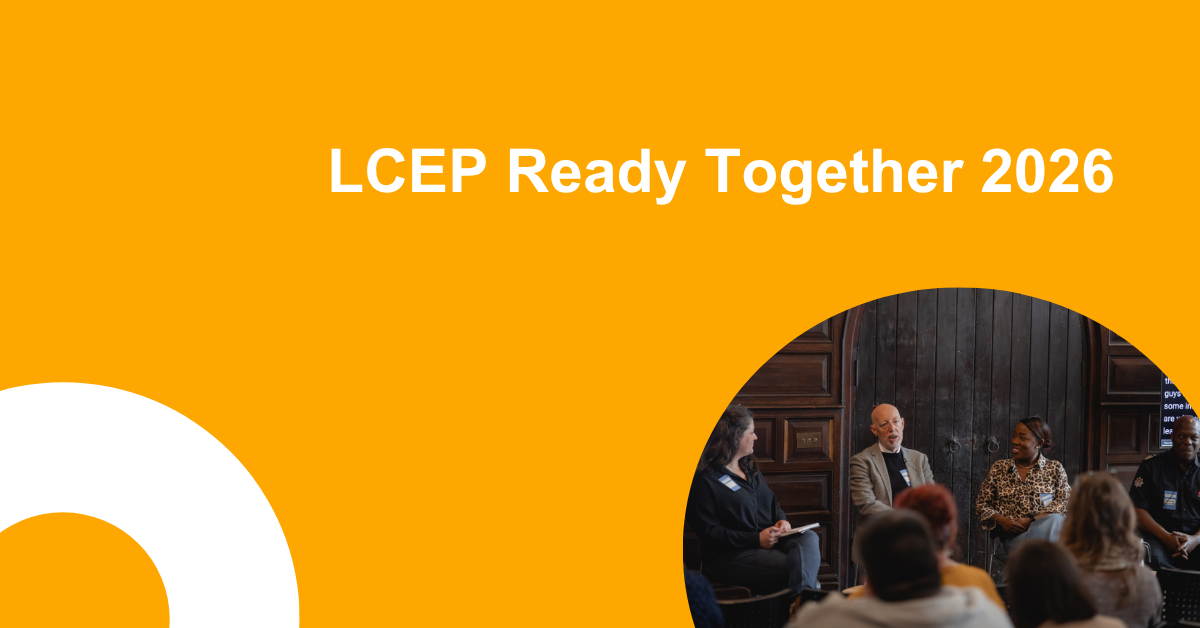
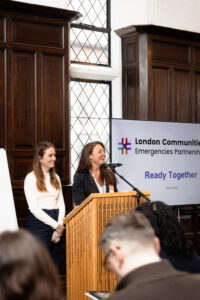
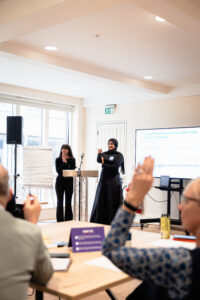
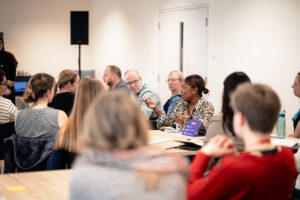
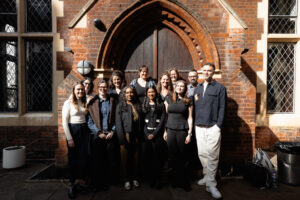
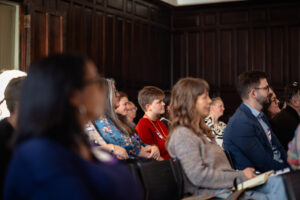
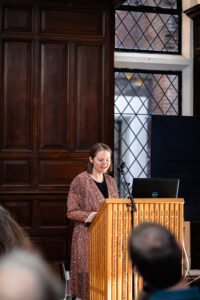
On 17th March, over 80 colleagues from London’s community resilience network, including statutory agencies, community and faith groups, equality organisations, charities and government partners, joined us for the LCEP Ready Together 2026 event.
It was a full day of shared learning and insights from our expert speakers. Sessions explored leadership across the resilience system, youth-led preparedness, hate crime, equity-led resilience, and more. The day sparked rich, engaging conversations and practical takeaways, helping participants prepare for the challenges ahead in emergency planning and disaster recovery. Thank you to everyone who joined us and contributed to the discussions.
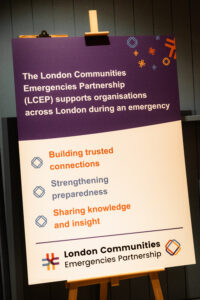
“It’s about working in a different way, to build trusted relationships, bringing in networked knowledge of partners and centre community voices, particularly those communities who face structural inequalities and are disproportionately impacted by emergencies”
It was energising to be in a room full of people with a shared vision, and an important reminder of the power of connection, collaboration and collective purpose. Being together in person truly highlighted the impact of coming together to tackle the issues that matter, and to reflect on how we can make lasting, positive changes that shape a more connected and resilient London.
“We want people to leave with at least one thing to take back to our workplaces whether that’s something they have learnt that can be implemented into their day-to-day work, a source of inspiration or a commitment to do something different as a result of a conversation with someone else.”



What people are saying about LCEP Ready Together 2026…
LCEP Ready Together 2026 sessions
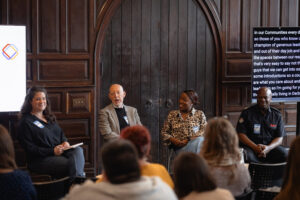
Our first panel brought together Patrick Goulbourne, Assistant Commissioner for Operational Resilience and Control at London Fire Brigade and Deputy Chair of the London Resilience Forum, Mark Simms, Group Chief Executive of the P3 Charity Group, and Chyloe Powell, Co-Founder of BelEve, in a conversation hosted by LCEP Co‑Chair and Director of the Emergencies Partnership, Robyn Knox.
Together, they explored diverse perspectives on leadership within the resilience sector and challenged traditional assumptions about where leadership sits. The discussion highlighted that leadership isn’t tied to titles; everyone has the potential to lead. They also highlighted that meaningful decision‑making relies on genuinely listening to communities and ensuring their voices shape what happens next.
They also shared some of the most powerful lessons from their experiences in leadership and resilience building:
- Recognising that those with lived experience are already “living resilience”.
- Understanding that accountability starts with those holding the greatest responsibility – be prepared to understand the role you’re in.
- Be comfortable with being uncomfortable.
- Ensuring people receive ongoing care after an incident – which requires partnerships built before an incident happens, through time invested in relationships and trust.
They showed why youth voice is vital to London’s resilience, sharing findings from a citywide survey of 16-25‑year‑olds on disruption, preparedness and views on resilience. They also co‑designed workshops and ran in‑person sessions across London boroughs, using real‑life scenarios like flooding, transport and housing to understand young people’s lived experiences and decision‑making.
Key insights from the session:
- Young people associate resilience with communities supporting each other, sharing resources, and staying connected during challenges.
- Many felt confident discussing resilience, but fewer knew what to do in real emergencies, highlighting a gap between awareness and practical readiness.
- Transport disruption along with economic and health challenges were commonly experienced disruptions, linking resilience closely to daily realities.
- Respondents expressed strong interest in volunteering, sharing information, contributing ideas, and participating in decision-making processes.
Session B of the LCEP Ready Together event delved into safeguarding, tensions and hate crime. This session was led by KT Sonnen, a researcher at Coventry University’s Centre for Peace and Security.
The session clarified the distinctions between non-crime hate incidents and hate crime, before exploring long-term trends. While hate crime reports have risen in the last decade, there has been a slight decline in the most recent years. Participants also examined the inconsistencies in police reporting and highlighted the value of the Crime Survey for England and Wales as a potentially more reliable indicator of prevalence.
A key theme was the growing influence of media and social media in shaping public perception, alongside the emergence of unregulated community groups. The session underscored the need for accurate data, independent advocacy, and strong legal protections, particularly in the context of Martyn’s Law.
Key insights from the session:
- The more data the better – data is insight.
- Perceptions or authority may just be perceptions.
Session C of the LCEP Ready Together event explored how equity and inclusion can be embedded at the heart of emergency preparedness and response. This session was led by Farida Akram Mostafa, Communities Research and Policy Manager at Protection Approaches.
The workshop encouraged cross-sector collaboration to explore how we can work better together on inclusive emergency preparedness and response. Attendees shared barriers, opportunities and practical ideas – all feeding directly into the work of the London Resilience Equalities Partnership.
Farida shared insights from their recent consultation with marginalised communities, highlighting risks like financial strain, health deterioration, and isolation.
Key recommendations included:
- Create spaces where equalities groups can shape planning.
- Ensure emergency communication is accessible.
- Strengthen borough‑level pre-emergency planning.
- Ensure services are trauma‑informed and digitally inclusive.
Session D of the LCEP Ready Together event looked at how AI and digital tools are shaping emergency preparedness. Tom Watkins, Policy and Insights Lead at the Emergencies Partnership, shared four principles for using AI safely:
- Do not ask AI to do something you cannot assess yourself.
- If you can’t tell whether an answer is right or wrong, AI shouldn’t decide for you.
- Preserve human intelligence, community insight, and lived experience. AI should expand the space for those strengths, not diminish them.
- You don’t need to be a tech expert – stay curious, critical and human‑centred.
We also heard from Emily Whittingham at the Environment Agency on Hello EA, powered by Hello Lamp Post – a tool that connects people with EA via conversations on their mobile devices.
Key reflections include:
- AI can enhance engagement, but it’s not a replacement for face‑to‑face conversations.
- Signage locations matter – plan early.
- AI is only as strong as the data behind it.
- Understanding your community is essential for interpreting engagement metrics meaningfully.
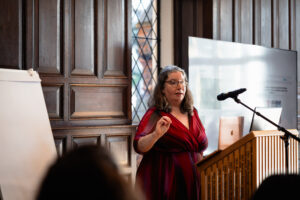
To close LCEP’s Ready Together Event, we heard from Lucy Easthope, Britain’s leading disaster expert sharing the latest insights on what lies ahead in emergency planning and disaster recovery. Lucy spoke openly about how quickly people lose agency in a crisis, and why our responsibility is to protect dignity and humanity when it matters most.
Lucy’s key messages:
- Plant your feet – community reps have a right to be there.
- “Help isn’t coming” – you need to take action.
- Prepare – take action in fallow times; if you are able to, grab a torch and first aid kit.
- Cash not stuff – change how communities think.
- You have to go through “The Slump” – you can’t escape it.
We then heard from Katherine Richardson, Director of London Resilience, who closed the day by reflecting on the cultural shift LCEP has sparked across the London Resilience Forum: changing expectations, reshaping behaviours and helping ensure resilience is built with communities, not for them. It’s a journey, but the shift is real.
Closing note slides